On one side of the world:
8 billion people, around 1 in 6 people, drinks water contaminated with faeces.[1]More people have access to mobile phones than working toilets. Only a third of the population of India has access to adequate...
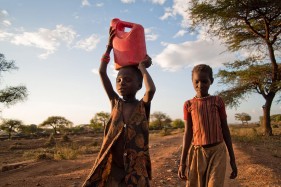
On one side of the world:
8 billion people, around 1 in 6 people, drinks water contaminated with faeces.[1]More people have access to mobile phones than working toilets. Only a third of the population of India has access to adequate...
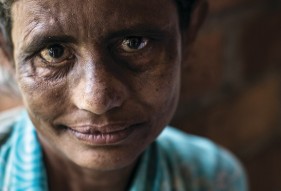
This is Indrakhala. She lives in the beautiful country of Nepal. She has her home next to the mud homes of her extended family.[1]
Yet the key word here is ‘next to’. In this photo she gently smiles, but, in reality,...
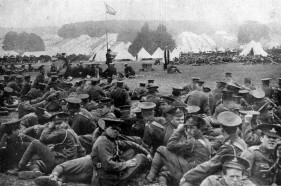
Ireland has been officially neutral in terms of international conflict for around 8 decades, since...
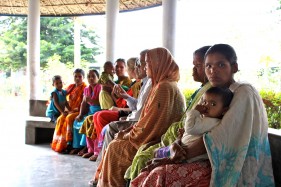
Sunday was International Women’s Day. It adopted the strapline “Make it Happen”. It’s a clear statement that enough talking has been done –...
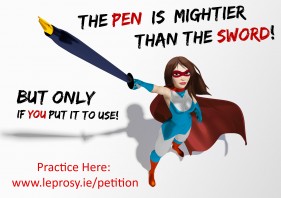
In May 1991, the member states of the World Health Assembly (WHA), the governing body of the WHO (World Health Organisation), promised to ‘eliminate leprosy as a public health...
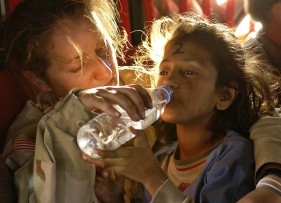
Climate Change. What comes to mind? Protesters tying banners on factory chimneys? Radical environmentalists? Al Gore? When one sees the issues of the world, from child soldiers to mass oppression to even genocide, why do we need to worry about whether the summer is going to be a...
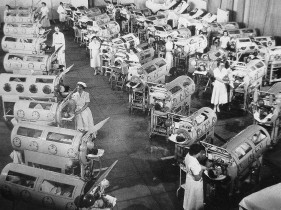
The 1952 polio epidemic killed 3,145 and paralysed 21,269 men, women and children in the US. Two years later, on 23 February 1954, Virologist Jonas Salk brought a glimmer of hope to...

It looks to a bright hope of a future in which all people, regardless of race, gender, religion, nationality, age, background, or disability, have equal prospects to flourish. It looks to a society in...
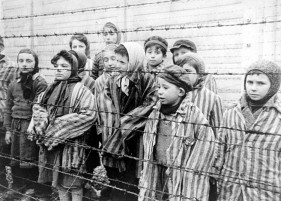
27th January 1945 was a momentous day in history. 70 years ago today, Soviet forces liberated the notorious Auschwitz concentration camp. The liberation of Auschwitz was a red letter day after the genocide of 6 million Jews, 1 million from the travelling community, 250 thousand...
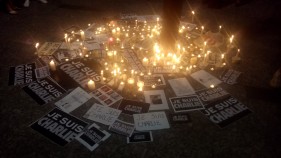
Volumes and volumes have already been written about the events in Paris last week. There is little I can add to the discussion. But, I prayerfully remember God’s command, through the...
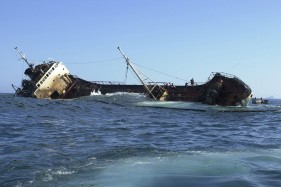
Let me pose an unusual question: What do cats, avocados and oil tankers have in common? Answer: All three have become threats to the unique environment of the Galápagos Islands, part of Ecuador, located in the Pacific Ocean. Made famous by the work of Charles Darwin, they are home to unique species...
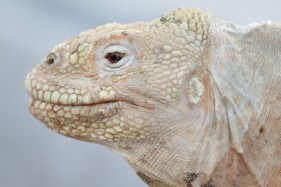
180 years ago today, 7th January 1835, HMS Beagle dropped anchor on the Chonos Archipelago. Charles Darwin was on board. He would spend the next number of weeks conducting research. By November 1859, Darwin had published ‘On the Origin of Species’. His book transformed the study of the natural...

In UK, more than one third of adolescent girls, and one fifth of boys, have self-harmed.[1] In USA, suicide kills more young people than cancer.[2] Countless people have such a low sense of self worth that they think life no longer worth living.
Gold, an inanimate metal, is highly valued: roughly $14,500 per kilo.[3] If an 80 kilo human body is broken down into its individual...
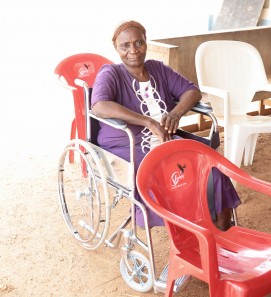
Today is the International Day of Persons with Disabilities. The precise title of the day is important. It represents a progressive move in language and understanding: no person is fundamentally ‘disabled’. There are, more correctly, ‘persons with disabilities”. There are many things I...